Why Do Dogs Eat Poop? 7 Reasons and How to Stop It
It's one of the strangest dog behaviours. Discover why dogs eat poop, whether it's dangerous and what you can do to stop it.
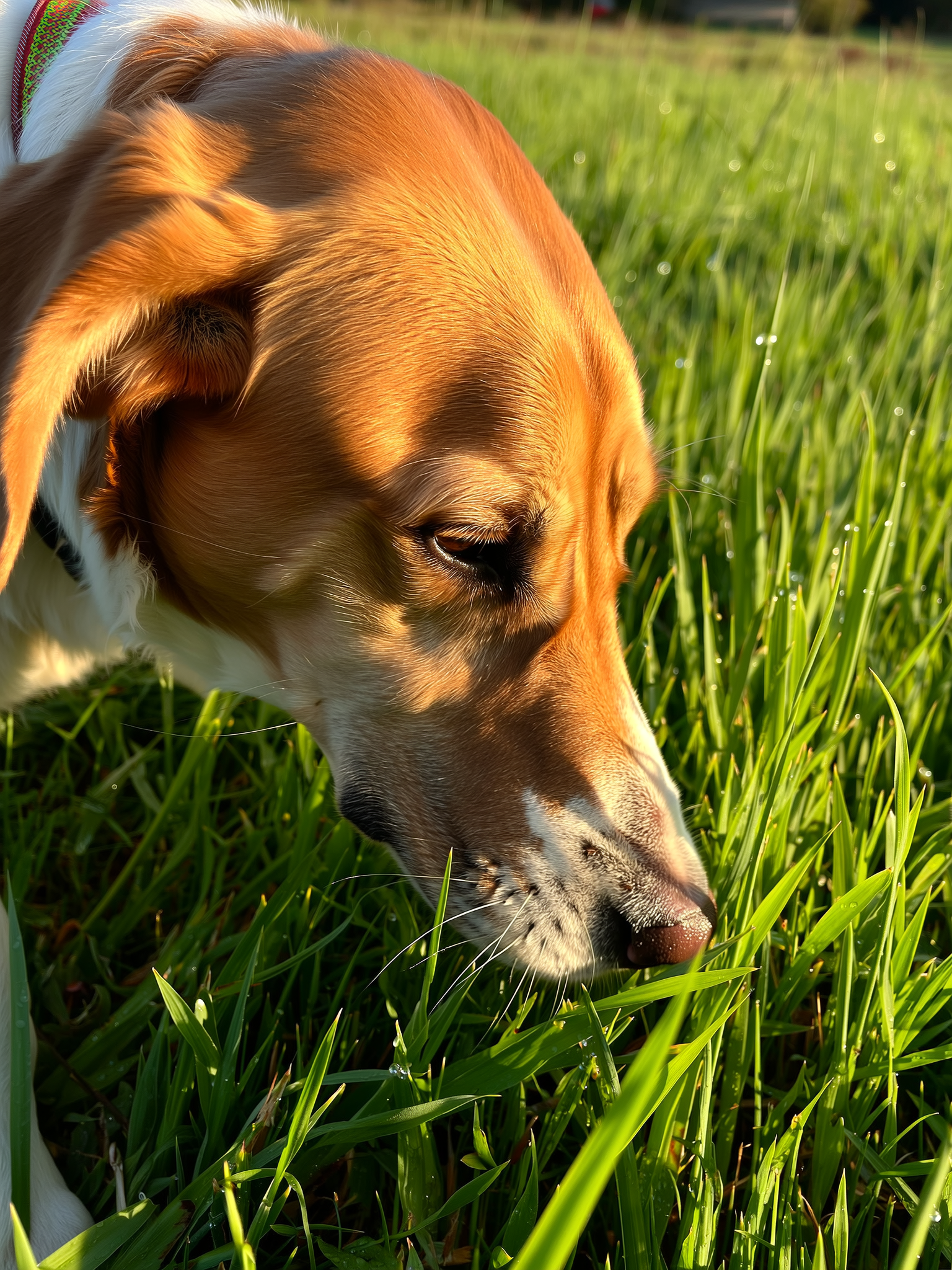
Why Do Dogs Eat Poop? 7 Reasons and How to Stop It
It's one of the least glamorous parts of dog ownership. But why do dogs eat poop, is it dangerous, and what can you actually do about it?
There are some things nobody warns you about when you get a dog.
The muddy paws. The 6am wake-up calls. The impressive ability to cover every piece of furniture in fur.
And then there's this.
You're enjoying a perfectly lovely walk when your dog finds something on the ground.
Before you can react, they've eaten it.
Poop.
Actual poop.
And now they're running back towards you, looking very pleased with themselves.
Why do dogs eat poop? And, more importantly, how do you make them stop?
First, you're definitely not the only pet owner dealing with this.
Eating faeces, known medically as coprophagia, is a recognised behaviour in dogs.
And although it might seem completely bizarre to us, there are several possible explanations.
Here's what the veterinary research tells us.
Why Do Dogs Eat Poop? The Short Answer
Dogs may eat poop because of habit, scavenging behaviour, hunger, stress or boredom.
In some cases, medical problems or changes in appetite may contribute.
But contrary to a popular belief, poop-eating doesn't automatically mean your dog is missing nutrients from their diet.
In fact, research suggests that the behaviour is relatively common, including among otherwise healthy dogs.
The important thing is to understand why it might be happening, prevent access where possible and recognise when veterinary advice is needed.
How Common Is It for Dogs to Eat Poop?
More common than you might think.
A 2018 study published in Veterinary Medicine and Science investigated dogs eating their own faeces or those of other dogs.
In one survey, approximately 16% of dogs were reported to engage in frequent poop-eating, defined as having been observed doing so at least six times.
The researchers also found that dogs displaying the behaviour were more likely to be described as greedy eaters.
Importantly, they didn't find evidence that poop-eating was linked to a particular diet or age.
That doesn't mean every dog eats poop for the same reason, but it helps explain why the behaviour can occur in otherwise healthy pets.
1. It's Become a Habit
Sometimes, dogs repeat behaviours simply because they've become established.
A dog might start eating poop when they're young and continue doing it into adulthood.
If they repeatedly find and eat faeces during walks or in the garden, the behaviour may become difficult to interrupt.
What can help?
Prevent access wherever possible.
Pick up faeces promptly, supervise your dog outdoors and reward them for moving away from it.
The aim is to reduce opportunities to practise the behaviour while teaching a more rewarding alternative.
The Riley tip: If your dog regularly eats poop in particular places, keep track of where it happens. Recognising the pattern can make prevention easier.
2. They're Naturally Interested in Scavenging
Dogs explore the world through their noses and mouths.
And some dogs are especially enthusiastic scavengers.
While eating poop seems deeply unappealing to humans, dogs may be attracted to its smell or other characteristics.
The 2018 study found that poop-eating dogs were more likely to be described as greedy eaters.
This doesn't mean the behaviour is desirable or risk-free.
But it does suggest that some dogs may simply be more inclined to investigate and consume things they find.
What can help?
Practise reward-based recall and a reliable “leave it” cue.
Keep your dog close enough to supervise in areas where faeces may be present.
3. Hunger or Changes in Appetite
Some dogs may eat poop when they're hungry.
This could happen if their food intake isn't meeting their needs or their energy requirements have changed.
Certain medical conditions and medications can also increase appetite.
However, poop-eating alone doesn't prove that a dog is underfed.
What should you do?
Check that your dog receives an appropriate amount of complete and balanced food for their age, size, activity and health.
If your dog suddenly becomes unusually hungry, loses weight or starts eating poop unexpectedly, speak to your veterinarian.
Don't simply increase their food without considering the wider picture.
4. Boredom or Lack of Stimulation
Dogs need more than a full food bowl and a comfortable bed.
They also benefit from exercise, exploration, play and opportunities to engage in natural behaviours.
Some dogs may develop unwanted scavenging habits when they have limited stimulation.
What can help?
Try incorporating:
- Sniffing opportunities during walks.
- Interactive play.
- Appropriate chew toys.
- Food puzzles.
- Short, reward-based training sessions.
Enrichment can support your dog's wellbeing, although it won't necessarily eliminate poop-eating on its own.
5. Stress or Anxiety
Stress can influence a dog's behaviour.
Some dogs develop repetitive or unusual behaviours when they're anxious or struggling with changes in their environment.
However, poop-eating isn't a reliable sign of anxiety by itself.
Look for other changes, such as pacing, hiding, restlessness or difficulty settling.
What should you do?
Avoid punishment.
If you suspect stress is contributing, speak to your veterinarian about an appropriate plan and, if needed, a qualified behaviour professional.
6. Puppies May Copy or Explore the Behaviour
Puppies investigate almost everything.
Unfortunately, that sometimes includes things we'd rather they left alone.
Young puppies may experiment with eating faeces as part of exploratory behaviour.
Mother dogs also naturally consume their puppies' faeces when cleaning the nesting area.
That doesn't mean every puppy that eats poop will continue doing so as an adult.
What can help?
Supervise your puppy closely, clean up faeces promptly and reward appropriate behaviour.
Avoid shouting or chasing them, which can make the situation more stressful or turn it into an unwanted game.
7. Occasionally, an Underlying Medical Problem
Most dogs that eat poop aren't doing it because of a serious medical condition.
But occasionally, changes in appetite or digestion may contribute.
Possible medical considerations include conditions that increase hunger or interfere with normal digestion and nutrient absorption.
These may be accompanied by:
- Weight loss.
- Diarrhoea.
- Vomiting.
- Excessive hunger.
- Changes in thirst.
- Poor coat condition.
- Other changes in behaviour.
What should you do?
If your dog suddenly starts eating poop, especially when it's unusual for them, contact your veterinarian.
Your vet may recommend an examination or further tests based on the symptoms.
The Riley tip: A sudden behavioural change can be more informative than a longstanding habit. Keep a record of when it started and whether anything else changed.
Is It Dangerous for Dogs to Eat Poop?
It can be.
Eating faeces can expose dogs to infectious organisms, including certain intestinal parasites and bacteria.
The level of risk depends on the source of the faeces and what it contains.
Faeces from other animals may present different risks from a dog's own stool.
Some dogs may develop gastrointestinal symptoms after eating faeces.
It's therefore sensible to discourage the behaviour, even if your dog appears perfectly healthy afterwards.
If your dog becomes unwell or develops vomiting, diarrhoea or other symptoms, contact your veterinarian.
Why Does My Dog Eat Other Dogs' Poop?
Some dogs are attracted to the faeces of other dogs.
Research into canine coprophagia has found that many dogs displaying the behaviour preferentially eat relatively fresh faeces.
The exact reasons remain uncertain.
One hypothesis suggests the behaviour may have evolutionary roots in keeping resting areas free of faecal material, but this hasn't been established as the explanation for every dog.
The practical advice remains the same: prevent access, practise reward-based training and seek veterinary advice for sudden changes.
Why Does My Dog Eat Cat Poop?
Unfortunately, some dogs are particularly interested in litter trays.
Cat faeces may be attractive to scavenging dogs, but eating them can expose dogs to parasites or other harmful organisms.
Swallowing cat litter may also create problems, particularly if large amounts are consumed.
What can help?
Keep litter trays in areas your dog cannot access while ensuring your cat can use them comfortably.
Consider a physical barrier or a separate room rather than relying solely on verbal correction.
If your dog eats a large amount of litter, seems unwell or develops vomiting or abdominal discomfort, contact your veterinarian.
Why Does My Puppy Eat Their Own Poop?
Puppies may eat their own faeces through exploration or developing habits.
It doesn't automatically mean their diet is deficient.
Prompt cleaning, close supervision and positive reinforcement can help reduce opportunities for the behaviour.
If your puppy also has diarrhoea, vomiting, poor growth or other symptoms, arrange a veterinary check.
How to Stop Your Dog Eating Poop
There's no guaranteed overnight solution.
But there are several practical steps that can help.
1. Pick Up Poop Immediately
This is one of the simplest and most useful strategies.
If your dog can't access faeces, they can't eat them.
Clean up promptly in your garden and manage access to areas where other animals may have toileted.
2. Teach a Reliable “Leave It”
Use reward-based training to teach your dog to move away from things on the ground.
Start in a controlled environment with low-value distractions.
Gradually build up to more challenging situations.
Avoid punishment or frightening methods.
3. Reward Them for Walking Away
If your dog notices faeces but chooses to move away, reward that decision.
You want your dog to learn that leaving something alone leads to something better.
4. Supervise Walks and Garden Time
Pay attention to where your dog is sniffing.
If you know a particular area contains faeces, steer them away before they reach it.
5. Make Sure Their Diet Is Appropriate
Feed a complete and balanced diet suitable for your dog's needs.
If you're unsure about portions or nutritional requirements, ask your veterinarian.
6. Provide Enrichment
Give your dog opportunities for play, sniffing, chewing and appropriate activity.
A more engaging routine may help where boredom contributes to scavenging.
7. Speak to Your Vet if the Behaviour Persists
If the behaviour is sudden, persistent or accompanied by other symptoms, your veterinarian can help investigate possible causes.
They may also recommend a qualified behaviour professional.
Do Supplements Stop Dogs Eating Poop?
You may have seen products marketed specifically to stop dogs eating faeces.
But the evidence supporting these products is limited.
The 2018 study investigating canine coprophagia reported very low owner-reported success rates for the commercial products and behavioural approaches evaluated.
That doesn't prove every intervention will fail, but it does mean owners should be cautious about claims of guaranteed results.
Don't assume a supplement will solve the problem or that poop-eating proves a nutritional deficiency.
Speak to your veterinarian before introducing products or changing your dog's diet.
Should You Punish Your Dog for Eating Poop?
No.
Punishment can create fear or stress and doesn't address why the behaviour is happening.
Shouting or chasing your dog may also make them more likely to swallow something quickly.
Instead, focus on preventing access and rewarding the behaviour you want.
If training is proving difficult, ask your veterinarian about an appropriately qualified, reward-based trainer or behaviour professional.
When Should You Call the Vet?
Arrange veterinary advice if:
- Your dog suddenly starts eating poop.
- Their appetite increases dramatically.
- They're losing weight.
- They develop vomiting or diarrhoea.
- Their behaviour changes in other ways.
- They repeatedly eat faeces despite management efforts.
Seek urgent veterinary care if your dog develops severe symptoms, such as collapse, significant abdominal pain, repeated vomiting or marked weakness.
Why Tracking Your Dog's Behaviour Matters
Sometimes a strange behaviour is simply a habit.
Other times, a change in behaviour is part of a bigger picture.
Perhaps your dog started eating poop around the same time they developed diarrhoea.
Maybe their appetite has increased.
Or perhaps the behaviour started after a change in medication.
Keeping a record can help you and your veterinarian understand the timeline.
Try noting:
- When the behaviour started.
- How often it happens.
- Whether your dog eats their own faeces or another animal's.
- Any digestive symptoms.
- Changes in appetite or weight.
- Recent dietary or medication changes.
How Riley Can Help
We built Riley to make it easier for pet owners to understand and manage their pets' health.
With Riley, you can keep your dog's medical history, medications and veterinary documents together in one place.
You can also use Daily Logs to track behaviours, appetite and other changes between veterinary appointments.
And with Ask Riley, you can explore general pet-health questions informed by the information you've saved about your dog.
Riley can't diagnose why your dog eats poop or replace veterinary assessment.
But it can help you keep the details organised and prepare for more informed conversations with your vet.
The Bottom Line
So, why do dogs eat poop?
Sometimes it's habit.
Sometimes it's scavenging.
Sometimes hunger, boredom or stress may play a role.
And occasionally, it may be associated with a medical problem.
The important thing is to avoid jumping to conclusions, prevent access wherever possible and recognise when something has changed.
Your dog might have questionable taste. But that doesn't mean you can't help them make better choices.