Why Is My Cat Meowing So Much? 10 Possible Reasons and When to Worry
From hunger and attention-seeking to pain and medical conditions, discover what your cat's meowing could mean.
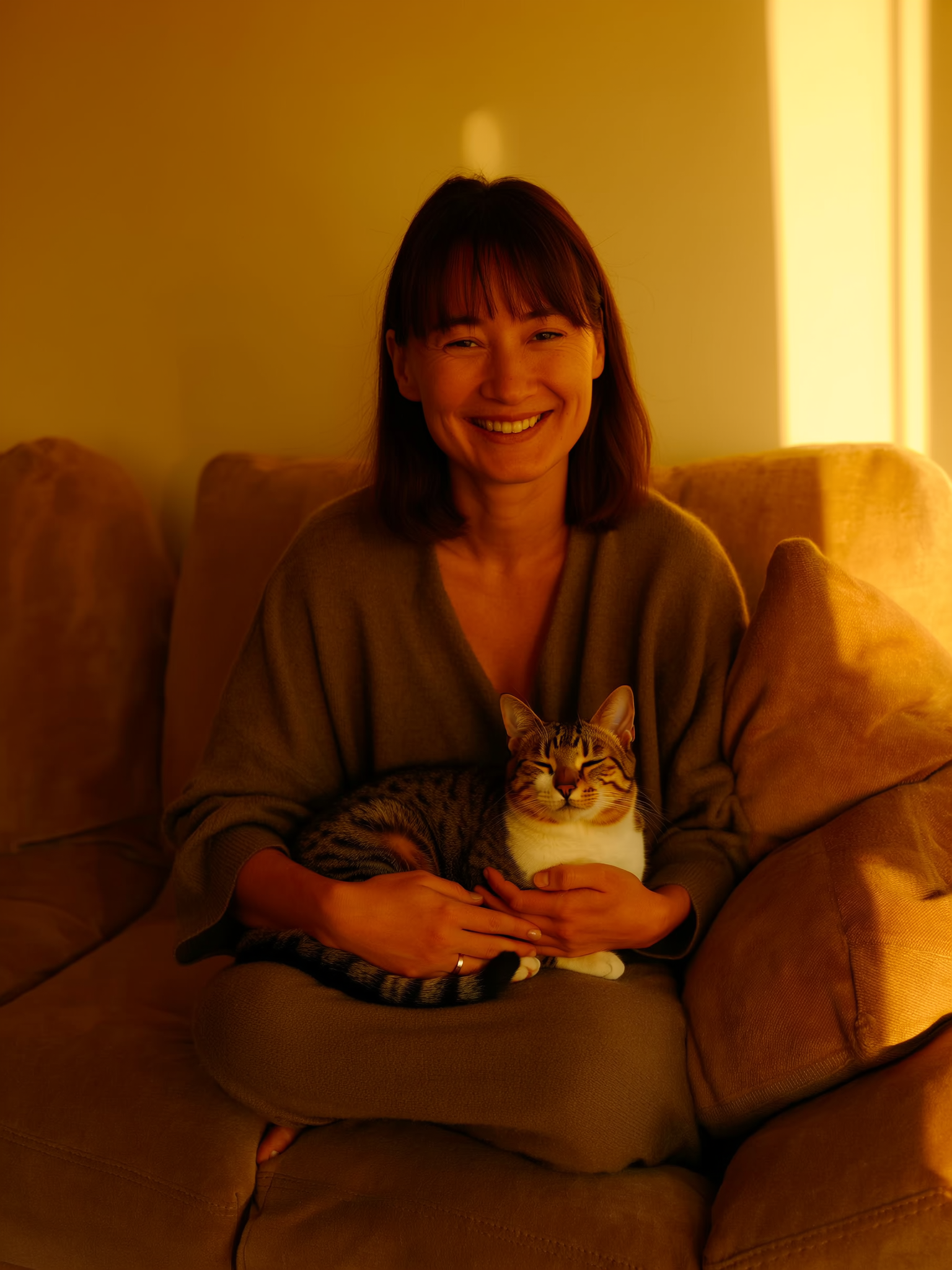
Why Is My Cat Meowing So Much? 10 Possible Reasons and When to Worry
Your cat won't stop meowing, and you're not sure why. From hunger and attention-seeking to pain and medical conditions, here's what their behaviour could mean.
It's 3am.
You're fast asleep when suddenly, from somewhere in the house, you hear it.
Meow.
Then another.
And another.
You get up. Check the food bowl. Check the water. Open a door. Close a door.
Your cat looks at you.
And meows again.
Sound familiar?
Cats can be wonderfully mysterious creatures. Some are naturally chatty, while others barely make a sound.
But when your cat suddenly starts meowing more than usual, it's worth paying attention.
Sometimes they're simply asking for something.
Other times, increased vocalisation can be a sign of stress, discomfort or an underlying medical condition.
Here's what every cat owner should know.
Is It Normal for Cats to Meow a Lot?
Yes, for some cats.
Meowing is a normal form of communication, particularly between domestic cats and humans.
Some cats vocalise frequently when greeting their owners, anticipating food or requesting attention.
Certain breeds, including Siamese cats, are also known for being particularly vocal.
But there's an important difference between a naturally talkative cat and one whose behaviour has suddenly changed.
If your usually quiet cat starts meowing constantly, or their vocalisations sound different, it's worth investigating.
The Riley tip: Pay attention to what's normal for your cat, rather than comparing them with other cats.
1. They're Hungry
Let's start with the obvious.
Some cats have an impressive ability to announce that dinner is approaching.
They might follow you into the kitchen, meow beside their food bowl or become particularly vocal at their usual feeding time.
If your cat is otherwise healthy and the behaviour follows a predictable routine, food anticipation may be the explanation.
What can help?
Maintain a consistent feeding schedule and provide a complete, balanced diet appropriate for your cat's needs.
But if your cat suddenly seems ravenously hungry, especially alongside weight loss, increased thirst or restlessness, contact your veterinarian.
Those changes can sometimes indicate a medical condition rather than ordinary hunger.
2. They Want Your Attention
Some cats meow because they've learned that it gets a response.
And who can blame them?
They meow. You look up. Suddenly, they have your undivided attention.
Cats may vocalise when they want interaction, play or companionship.
What can help?
Make time for regular, positive interaction.
Try short play sessions using suitable toys, provide enrichment and allow your cat to initiate contact.
Avoid punishing them for vocalising.
If attention-seeking behaviour is new or unusually persistent, rule out medical causes before treating it as a training issue.
3. They're Bored or Need More Stimulation
Cats need opportunities to express natural behaviours such as exploring, climbing, scratching and hunting through play.
A cat with limited environmental stimulation may become more vocal, particularly during periods when they're active and their owner is resting.
Ways to enrich their environment include:
- Interactive play with wand toys.
- Puzzle feeders.
- Appropriate scratching surfaces.
- Elevated resting and observation spots.
- Safe hiding places.
- Rotating toys to maintain interest.
Environmental enrichment can help some cats, but it won't resolve excessive meowing caused by pain or illness.
The Riley tip: Small changes to your cat's daily routine can be more useful than buying lots of new toys at once.
4. They're Feeling Stressed or Anxious
Cats often prefer predictability.
A house move, new pet, visiting guests or changes to their environment can sometimes cause stress.
Some cats become quieter when stressed. Others vocalise more.
You may also notice hiding, changes in grooming, reduced appetite or altered litter-box habits.
What can help?
Provide familiar routines, quiet resting areas and access to essential resources.
In multi-cat households, ensure cats have suitable access to food, water, litter trays, resting places and hiding spots without competition.
If the behaviour persists or other symptoms develop, speak to your veterinarian.
5. They're in Pain
This is an important one.
Increased meowing can sometimes be a sign of pain.
Cats are often subtle about showing discomfort, so changes in behaviour may be among the first things owners notice.
A cat experiencing pain might vocalise when moving, being touched or using the litter tray.
Other possible signs include:
- Reduced jumping or climbing.
- Hiding more than usual.
- Changes in grooming.
- Irritability or withdrawal.
- Reduced appetite.
- Restlessness or difficulty settling.
What should you do?
Arrange a veterinary assessment if you suspect your cat is in pain.
Never give human painkillers without veterinary instructions. Some are highly toxic to cats.
6. They're in Heat
Unspayed female cats can become particularly vocal when they're in heat.
The sounds may be louder, longer or more repetitive than ordinary meowing.
You might also notice restlessness, increased affection, rolling or attempts to get outside.
Unneutered male cats may also vocalise in response to nearby females.
What can help?
Speak to your veterinarian about neutering, reproductive health and appropriate management.
If your cat's vocalisation is unusual or accompanied by signs of illness, don't assume reproductive behaviour is the only explanation.
7. They Have an Overactive Thyroid
Hyperthyroidism is an important medical cause of increased vocalisation, particularly in middle-aged and older cats.
The condition occurs when the thyroid gland produces excessive thyroid hormone.
Cats with hyperthyroidism may show:
- Increased meowing or yowling.
- Weight loss despite a good or increased appetite.
- Restlessness or hyperactivity.
- Increased thirst.
- Vomiting or diarrhoea.
- Changes in coat condition.
Not every affected cat has all these symptoms.
What should you do?
If your cat is meowing more and losing weight, or showing other concerning changes, book a veterinary appointment.
A veterinarian may recommend blood tests, including thyroid hormone measurement.
Hyperthyroidism has established treatment options, but diagnosis and management require veterinary care.
8. They're Getting Older
As cats age, their behaviour can change.
Some senior cats begin vocalising more, particularly at night.
Possible contributing factors include pain, sensory changes, high blood pressure, thyroid disease and cognitive dysfunction.
Feline cognitive dysfunction can affect awareness, sleep patterns, interactions and behaviour.
But increased meowing in an older cat shouldn't automatically be dismissed as ageing.
What should you do?
Arrange a veterinary examination to investigate possible medical causes.
If your cat appears confused, wanders aimlessly or starts vocalising at unusual times, make a note of these changes and discuss them with your vet.
The Riley tip: Keeping a history of your cat's behaviour and health changes becomes particularly valuable as they get older.
9. They're Experiencing a Medical Problem
Sometimes excessive meowing is part of a wider health issue.
Conditions affecting the urinary tract, kidneys, blood pressure or other body systems may be associated with changes in vocalisation.
The important thing is to look for additional symptoms.
Pay attention if your cat is also:
- Drinking or urinating more than usual.
- Losing weight.
- Vomiting repeatedly.
- Hiding or appearing unusually lethargic.
- Having difficulty using the litter tray.
- Showing changes in appetite or movement.
An important warning: A cat repeatedly visiting the litter tray, straining, crying and producing little or no urine may have a urinary obstruction.
This is a veterinary emergency, particularly in male cats. Seek immediate care.
Do not wait until the next morning.
10. They're Trying to Tell You Something Has Changed
Sometimes the explanation is environmental.
Perhaps another cat is outside the window.
Maybe a door they normally use is closed.
Or their favourite resting place has suddenly become inaccessible.
Cats can vocalise in response to changes in their surroundings, social interactions and daily routines.
Look for patterns.
Does the meowing happen in one particular room?
At the same time every evening?
When another animal appears?
Understanding the context may help you identify a trigger.
But if the vocalisation is new, persistent or unexplained, don't assume it's purely behavioural.
Why Is My Cat Meowing So Much at Night?
Nighttime meowing is a particularly common concern.
And unfortunately, it's also one of the most effective ways for a cat to interrupt your sleep.
Possible explanations include:
- Hunger or anticipation of feeding.
- Attention-seeking behaviour.
- Normal periods of activity.
- Environmental stress.
- Pain or illness.
- Age-related sensory or cognitive changes.
- Hyperthyroidism or other medical conditions.
If your cat is healthy and the meowing is behavioural, a predictable routine with appropriate daytime activity, interactive play and consistent feeding may help.
But if the nighttime vocalisation is new, particularly in an older cat, arrange a veterinary check rather than assuming they're simply being demanding.
Why Is My Elderly Cat Yowling at Night?
Senior cats may vocalise more because of conditions such as hyperthyroidism, hypertension, pain, sensory impairment or cognitive dysfunction.
These conditions can overlap, so the sound of the meow alone cannot identify the cause.
If your older cat has started yowling at night, a veterinary assessment is the appropriate next step.
Your veterinarian may recommend an examination, blood tests, blood pressure measurement or other investigations based on their findings.
My Cat Keeps Meowing but Has Food and Water. Why?
Food and water aren't the only things cats need.
They may be seeking interaction, responding to an environmental change or experiencing discomfort.
Check whether their litter tray is accessible and clean, whether they have safe resting places and whether anything in their routine has changed.
But remember that cats can continue eating and drinking while experiencing some illnesses.
If the behaviour is unusual for your cat, persistent or accompanied by other symptoms, contact your veterinarian.
When Should You Worry About Excessive Meowing?
Book a veterinary appointment if:</escape>
- Your cat suddenly starts meowing much more than usual.
- Their meow changes in sound or intensity.
- They repeatedly vocalise at night without an obvious explanation.
- They're losing weight or showing changes in appetite or thirst.
- They appear uncomfortable, confused or unusually withdrawn.
- Their behaviour continues despite appropriate environmental changes.
Seek emergency veterinary care if:</escape>
- Your cat is straining to urinate and producing little or no urine.
- They have difficulty breathing or are open-mouth breathing.
- They collapse or become unresponsive.
- They show severe pain or distress.
- They have a serious injury or suspected poisoning.
When in doubt, contact a veterinary professional.
How to Help a Cat That Won't Stop Meowing
If your cat has been assessed and medical causes have been addressed or excluded, you can work on improving their daily environment.
Start with the basics:
Maintain a consistent routine. Predictable feeding, play and resting opportunities can help.
Provide enrichment. Give your cat appropriate ways to explore, climb, scratch and play.
Respect their preferences. Some cats want more interaction; others need more space.
Avoid punishment. Shouting or frightening your cat can increase stress.
Keep track of changes. Note when the meowing happens and what seems to trigger it.
If the behaviour remains problematic, your veterinarian may recommend a qualified feline behaviour professional.
Why Tracking Your Cat's Behaviour Matters
Here's something that can make veterinary appointments much more useful.
Instead of simply saying, "My cat has been meowing a lot," try recording:
- When the behaviour started.
- Whether it happens during the day or at night.
- How often it occurs.
- Whether the meow sounds different.
- Any changes in appetite, thirst or weight.
- Changes in litter-box habits.
- Any recent changes at home.
- Previous medical conditions and current medications.
This information can help your veterinarian investigate the problem.
And if the behaviour happens again in the future, having a record may help identify patterns over time.
How Riley Can Help You Understand Your Cat's Health
Cats aren't always easy to read.
And when something changes, it can be difficult to remember every symptom, veterinary appointment or medication.
That's why we built Riley.
With Riley, you can keep your cat's medical records, medications and important veterinary information together.
You can also use Ask Riley to explore general pet health questions informed by the medical history and documents you've saved.
Riley can help you organise information and prepare for conversations with your veterinarian.
But Ask Riley cannot diagnose why your cat is meowing or replace veterinary assessment, particularly when urgent symptoms are present.
The Bottom Line
Sometimes your cat is meowing because they're hungry.
Sometimes they want attention.
And sometimes they're trying to communicate that something isn't quite right.
The most important thing is to recognise when their behaviour changes.
Because while cats might not be able to tell us exactly what's wrong, paying attention to their habits can help us notice when they need support.